
In modern industrial systems, materials must deliver consistent performance under conditions such as high temperature, mechanical stress, and chemical exposure. Advanced ceramics like alumina rods and alumina sheets are widely used because they offer strength, durability, and reliability. These materials are essential in industries such as electronics, manufacturing, and thermal processing.
For engineers and industrial buyers, understanding how these materials function and where they are used helps in selecting the right solution for specific applications.
What Are Alumina Rods?
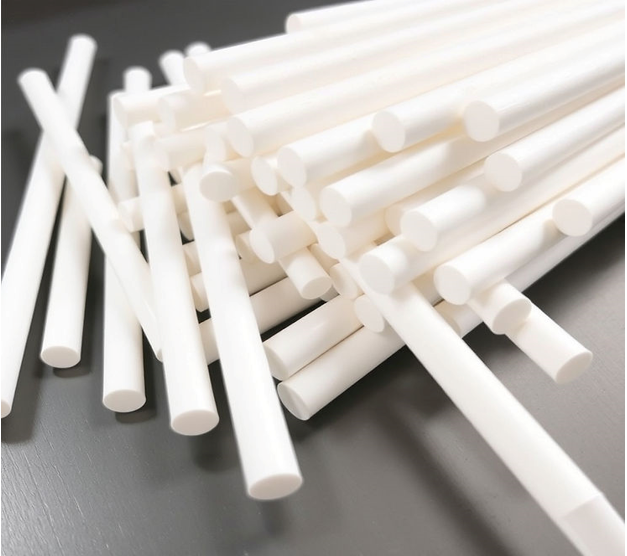
Alumina rods are cylindrical ceramic components made from aluminum oxide. They are designed for applications that require structural support along with electrical insulation and heat resistance.
These rods are commonly used in systems where stability and durability are important. Their shape allows them to be used as supports, spacers, and insulating elements in various industrial setups.
What Is an Alumina Sheet?
An alumina sheet is a flat ceramic material that is widely used in applications requiring surface protection, insulation, and structural support. It is known for its ability to withstand heat and resist wear.
Alumina sheets are commonly used in electronic systems, industrial machinery, and thermal insulation applications. Their flat form makes them suitable for use as substrates and protective layers.
Key Properties of Alumina Materials
Both alumina rods and alumina sheets share several important properties that make them valuable in industrial applications. They offer excellent resistance to high temperatures, allowing them to perform reliably in thermal systems.
They provide strong electrical insulation, which is important in electronic and high-voltage applications. They are highly resistant to wear, making them suitable for use in environments where friction is present. They also resist chemical corrosion, ensuring long-term performance in harsh environments.
Applications of Alumina Rods
Alumina rods are widely used in applications that require strength and insulation. They are commonly used as support structures in furnace systems. Their ability to withstand heat makes them suitable for high-temperature environments.
In electrical systems, alumina rods are used as insulating components that prevent electrical conductivity. They are also used in laboratory equipment where precision and stability are required.
Applications of Alumina Sheet
An alumina sheet is used in a wide range of industrial applications. In electronics, it is used as a substrate for circuits. It provides insulation and helps manage heat generated by electronic components.
In industrial machinery, alumina sheets are used as wear-resistant surfaces that protect equipment from damage. They are also used in thermal systems as barriers that prevent heat from affecting other components.
Advantages Over Other Materials
Compared to metals and plastics, alumina materials offer several advantages. They can operate at higher temperatures without losing strength or shape. This makes them suitable for demanding thermal applications.
They provide better resistance to corrosion, especially in environments that involve chemicals. Their durability reduces maintenance needs and extends the life of equipment.
Choosing Between Alumina Rods and Alumina Sheets
Selecting between alumina rods and alumina sheets depends on the requirements of the application. If the system requires structural support or cylindrical components, alumina rods are the better choice.
If the application requires flat surfaces for insulation or protection, alumina sheets are more suitable. Engineers should consider factors such as shape, load, temperature, and environment when selecting the material.
Conclusion
Alumina rods and alumina sheets are essential materials in modern industrial applications. Their ability to withstand heat, resist wear, and provide electrical insulation makes them reliable choices for a wide range of systems.
By understanding their properties and uses, engineers and industrial buyers can select the right material to improve performance, ensure safety, and achieve long-term reliability in their operations.