

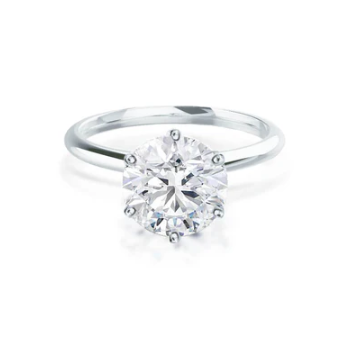
In the world of luxury, the name lily arkwright has become synonymous with pieces that embody not just elegance, but an unwavering commitment to craftsmanship. Luxury is often associated with price tags, brand recognition, and exclusivity, yet these aspects alone cannot define a truly luxurious item. The essence of genuine luxury lies in the quality of craftsmanship, the meticulous attention to detail, and the dedication to creating something enduring rather than merely fashionable. Every stitch, every cut, and every finish speaks volumes about the care and skill invested in a piece, elevating it from a mere object to a work of art.
Craftsmanship is the cornerstone of luxury because it ensures durability, functionality, and aesthetic perfection. High-quality materials are essential, but without skilled artisanship, even the finest materials can fall short of their potential. True luxury pieces are designed to last for generations, with every component carefully considered to withstand the test of time. This longevity is not only a practical advantage but also contributes to the emotional and cultural value of a piece. Owners of such items often develop a deep personal connection, knowing that the item has been crafted with precision and dedication.
The intricate processes involved in creating luxury goods are what set them apart from mass-produced alternatives. Artisans invest countless hours refining their techniques, mastering skills passed down through generations, and innovating new methods to achieve perfection. In luxury watchmaking, for example, every gear and spring must be aligned and calibrated with exacting precision. In haute couture fashion, each garment is constructed with painstaking attention to detail, ensuring that every seam, fold, and embellishment enhances the overall design. These labor-intensive processes reflect a devotion to excellence that mass production cannot replicate, making craftsmanship the defining hallmark of true luxury.
Another crucial aspect of craftsmanship is its role in storytelling. Every luxury item carries a narrative woven into its design, material choice, and production process. These narratives convey heritage, innovation, and artistry, creating a sense of exclusivity that extends beyond the physical object. A finely crafted leather bag, for instance, may incorporate techniques developed over decades, each contributing to its character and uniqueness. Consumers are not merely purchasing an item; they are investing in a legacy of skill, tradition, and aesthetic refinement. This depth of meaning reinforces the intrinsic value of craftsmanship as the foundation of true luxury.
In addition to durability and storytelling, craftsmanship quality ensures that luxury pieces achieve a level of individuality unattainable in mass-market products. Each piece, even within a limited edition, bears subtle variations that reflect the human touch. This uniqueness is highly valued in a market where authenticity and originality are paramount. By emphasizing craftsmanship, luxury brands distinguish themselves through the superior skill and artistry that go into every creation, fostering trust and admiration among discerning clients.
Ultimately, the significance of craftsmanship in luxury cannot be overstated. It transforms everyday items into cherished possessions, instills a sense of pride in ownership, and reinforces the cultural and aesthetic importance of the object. In a world increasingly dominated by mass production and fleeting trends, true luxury remains anchored in the mastery of craft. Those who understand this distinction recognize that while luxury can be flashy and superficial, its true essence is found in the dedication, skill, and meticulous attention to detail that define exceptional craftsmanship. Through this lens, it becomes clear that the value of a luxury piece is measured not by its price or brand, but by the artistry and care that have gone into its creation.
