
Weekend service can change the rhythm of a restaurant, cafe, or dessert shop. Customer traffic often increases, larger groups arrive at once, and more people order sweets, coffee, or specialty drinks after meals. A preparation system that works comfortably on a quiet weekday may suddenly feel slow and disorganized.
Dessert stations handle this pressure best when repetitive tasks are simplified before the rush begins. Whipped toppings are a good example. They are used across many menu items, but repeated manual preparation can interrupt service. Cream-charger systems can support a more reliable workflow when used correctly for culinary purposes and with compatible equipment.
Forecast Demand Before the Shift
Preparation starts with knowing what the business is likely to sell. Weekend demand can often be estimated using previous sales, reservations, local events, weather, or seasonal patterns.
If certain desserts regularly sell faster on Friday and Saturday evenings, the kitchen can prepare the required components before customers arrive. This may include portioning cake, chilling sauces, washing fruit, preparing garnishes, and organizing suitable whipped mixtures.
A little forecasting reduces emergency preparation later and gives the team more confidence when orders begin arriving quickly.
Keep Whipped Components Ready for Service
Whipped cream may appear on cakes, waffles, sundaes, milkshakes, coffee drinks, pies, or dessert cups. If the same topping is needed across several items, repeatedly preparing small batches can become inefficient.
Culinary products such as galaxy gas are associated with cream-charger applications used with compatible food-preparation equipment. When incorporated into a planned kitchen system, this can help staff keep suitable aerated toppings ready for controlled dispensing during service.
The benefit is not only speed. A consistent preparation method can also help reduce differences between batches made by different employees.
Organize the Station Around Movement
A busy dessert station should be designed around the order in which staff actually work. Frequently used ingredients should be close at hand, while less common items can be stored farther away.
For example, plates or cups can be placed near the main assembly area, followed by sauces, whipped toppings, and garnishes. This reduces unnecessary reaching, walking, and crossing between employees.
A smoother physical layout can make a surprising difference during peak periods because even a few seconds saved on each order can add up across an entire evening.
Limit the Number of Weekend Variations
Busy service is not the ideal time to manage an oversized menu. Too many topping options can slow down decisions and increase the chance of mistakes.
A better strategy is to select a few popular flavor combinations that work across multiple menu items. Vanilla, chocolate, coffee, or seasonal options can often provide enough variety without overwhelming the station.
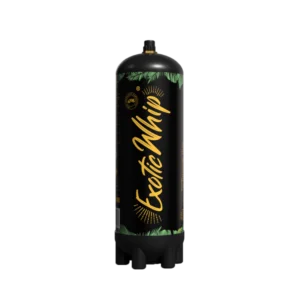
A culinary option such as Exotic whip can fit within an appropriate cream-charger workflow for food preparation. This allows a business to support aerated toppings while keeping the overall service process straightforward.
The goal is to give customers choice without creating unnecessary complexity behind the counter.
Use Portion Standards During Peak Hours
When service becomes busy, employees may rush and apply inconsistent amounts of toppings or garnishes. This can affect both appearance and food costs.
Simple portion standards help prevent this. Staff can be shown the correct amount of whipped topping for a drink, cake slice, waffle, or sundae so they do not have to make individual decisions every time.
Visual reference photos can also be helpful. They give employees a quick reminder of what each finished item should look like during a fast service.
Prepare for Mid-Shift Restocking
Weekend planning should include more than the opening setup. Even a well-stocked station can run low halfway through the shift.
Backup ingredients should be stored in clearly labeled containers so they can be replaced quickly. Staff should also know who is responsible for checking cream, sauces, garnishes, cups, and other frequently used supplies.
Restocking before something runs out completely helps avoid interruptions at the worst possible moment.
Keep Cleaning Manageable Throughout Service
A busy station can become messy quickly. Waiting until closing time to handle every cleaning task may create clutter and reduce usable workspace.
Small cleaning steps throughout the shift can keep the area functional. Spills should be addressed promptly, food-contact surfaces should remain clean, and dispensing equipment should be handled according to manufacturer instructions.
Dairy ingredients must also stay at suitable temperatures, while pressurized culinary products should be stored safely away from excessive heat or physical damage.
Conclusion
Weekend dessert rushes are easier to manage when preparation, station layout, portion control, and restocking are planned before service begins. Small improvements in workflow can reduce delays and help staff stay organized when customer volume increases.
Cream-charger systems can support this approach when they are used responsibly for culinary applications. Combined with sensible menu choices, proper storage, clear staff roles, and consistent preparation standards, they can help dessert teams maintain quality even during the busiest shifts.